Landstákn á villigötum

Punktar

Bókstafirnir IS geta valdið misskilningi. Varð fyrst var við það fyrir fimmtíu árum, þegar við hjónin vorum að aka um Alpana. Tókum eftir því, að bíll fylgdi okkur fast á eftir. Við stönzuðum á útsýnisstað og fólkið á hinum bílnum líka. Þá kom í ljós, að fólkið hélt, að IS á bílnum stæði fyrir Ísrael. Fólkið átti dóttur í hugsjónavinnu á samyrkjubúi í Ísrael og vildi endilega faðma okkur. Nú kemur í ljós, að fleira ruglar en Ísrael eitt. Komin eru til sögunnar samtök terrorista, sem heita ýmist ISIS eða IS. Komust yfir lénið .is og settu allt á annan endann hér í stjórnkerfinu. Kannski verðum við að endurskoða landstáknið.

Meinfyndið pílukast

Punktar

Hafi einhver efast um, að Sigmundur Davíð sé með réttu ráði, staðfestist sá efi á Stöð 2. Þar var sýnt, hvernig forsætisráðherra slakar sér með því að kasta pílum í andlitsmynd af forvera sínum í starfi. Ég veit ekki, hvað á kalla þess konar bilun, né að góðvini hans, Loga Bergmann, þótti þetta gasalega fyndið. Maður kastar hvorki pílum í myndir af fólki né stingur dúkkur með prjónum, nema maður sé bilaður. Og hefur ekki gaman af því, nema maður sé bilaður. Hörmulega er komið fyrir kjósendum að hafa valið yfir sig frík. Sem hefur það helzt fyrir stafni að kasta pílum í mynd af forvera, sem reyndi þó í hvívetna að gera gagn.

Hvað með heiðarlega vinnu?

Punktar

Hvað er þessi Baltasar Kormákur að vilja upp á dekk? Framsókn hefur sjálf leyst framtíðarvanda unga fólksins með fyrirhugaðri áburðarverksmiðju. Getur þessi maður ekki hætt að ráfa um hverfi 101 í lopapeysu og drekka latté? Getur hann ekki fengið sér heiðarlega vinnu, til dæmis í áburðarverksmiðju Framsóknar eða úti í Vestmanneyjum hans Elliða? Fram unga fólk undir Framsóknar merki, hér á þjóðin örugga von. Ísland þarf ekki á auðnuleysingjum að halda, svona afætum á vinnandi fólki. Þetta hefst af stjórnlausri sóun peninga í alls konar menningu og annan óþarfa. Íslendingar hafa aldrei lifað á menningu, fuss. Og enga mosku, takk; við erum Íslendingar.

A. Paris

Borgarrölt, París (English)
Tour Eiffel, Paris 2

Tour Eiffel

History

Paris has for centuries been one of the centres and magnets of the world. When the Romans conquered it in 55 B.C. it was a fishing village on the Seine islands, inhabited by the Parisii tribe. It grew in Roman times and became the capital of France. It grew in Roman times and became the capital of France at the beginning of the Middle Ages.

Since then Paris has been the European centre of religion and politics, learning and arts, quickly overtaking Rome and only yielding to New York after the Second World War. Sorbonne is one of the oldest universities in the world and for centuries the most famous one.

Paris is rich in monuments from most periods of its history. In spite of that it has not rested on its laurels. It is also famous for modern and avant-garde design, as can be seen at the Louvre pyramid, the Centre Pompidou and the Défense.

Next steps

Fyndnir endurskoðendur

Punktar

Deloitte hefur löngum vakið aðdáun manna. Ég man enn eftir yfirlýsingu þess eftir hrunið: „Deloitte er alþjóðlegt endurskoðunar- og ráðgjafarfyrirtæki og niðurstöður þess fást ekki keyptar.“ Einmitt. Ég held enginn missi svefn yfir nýjustu yfirlýsingu þessa fyrirtækis. Hún snýst um, að skjólstæðingar þess geti ekki borgað núverandi auðlindarentu. Var hún þó lækkuð svo mikið, að ríkið verður í staðinn að rústa Landspítalanum. Deloitte er ein af þessum skapandi endurskoðunarstofum, sem fá þær útkomur, sem bezt henta viðskiptavinum. Allar aðvörunarbjöllur hljóta að glymja í hvert sinn slík stofnun gefur yfirlýsingu. Eins og þá nýjustu: „Við mundum aldrei setja nafn okkar við einhvern áróður.“

Byggt á rugli

Punktar

Jane Jacobs, einn þekktasti úrbanisti heims, SEGIR, að borgarskipulag sé bara gervivísindi. Fjölbreyttar kreddur rísi á grundvelli takmarkaðra athugana á breytingum. Um þetta segir hún: „Years of learning and a plethora of subtle and complicated dogma have arisen on a foundation of nonsense.“ Ein slík tegund af rugli er að grafa um sig í skipulagi Reykjavíkur. Það er þrenging byggðar, sem fer senn að valda miklum kostnaði og óþægindum. Þar hafa menn fengið þá flugu í hausinn, að bíllinn sé af hinu illa og að leggja beri steina í götu hans. Þá muni fleiri fara að hjóla eða taka strætó. Eru ekki vísindi, heldur terrorismi.

Eitraðir verkalýðsrekendur

Punktar

Lífeyrissjóðir landsmanna eitra stéttarfélög og Alþýðusambandið. Magnar græðgi verkalýðsrekenda og magnar hungur þeirra í stjórnarsetu í lífeyrissjóðum og fyrirtækjum sjóðanna. Þar sitja þeir með atvinnurekendum og spila rúlettu á fjármálamarkaði. Yfirleitt með skelfilegum afleiðingum fyrir sparifé okkar. Fjárfestingarfyrirtæki sjóðanna taka yfirleitt stranga afstöðu gegn hagsmunum almennings og starfsmanna. Þau eitra hugarfar verkalýðsrekenda, sem fá glýju í augun, þegar þeir horfa ofan í koníaksglasið á fundum. Fjárfestingarfyrirtækin hafa farið mjög illa með peninga og eyðilagt hugmyndafræði kjarabaráttunnar.

B. Îles – Saint-Louis

Borgarrölt, París (English)
Notre Dame, Paris 6

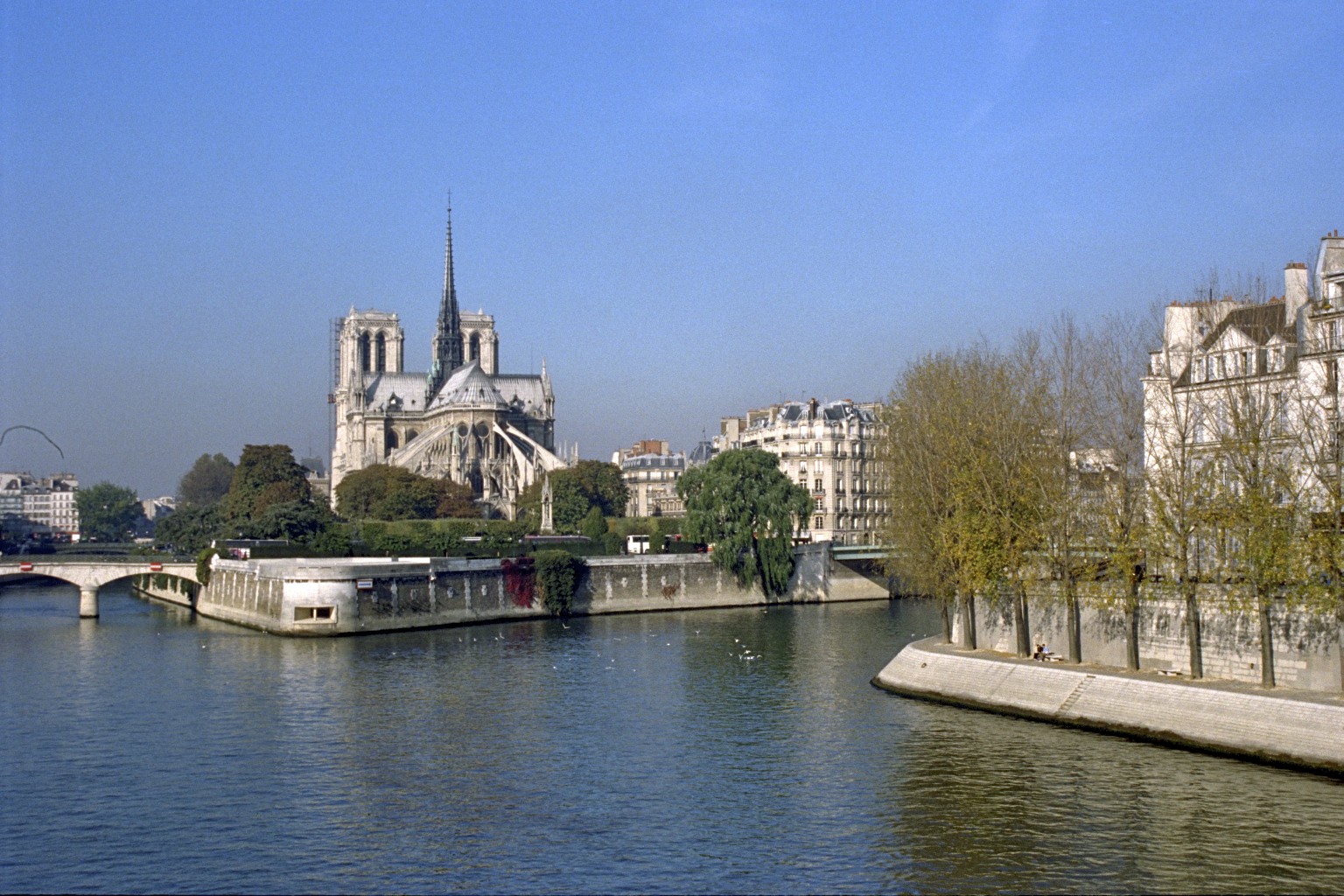
Île de la Cité vinstra megin með Notre Dame, Île de Saint-Louis hægra megin

Îsles

It all began here. Paris was founded on the islands of Seine and later expanded to the Right and Left banks of the river. The churches Notre-Dame and Sainte-Chapelle will be the high points of our walk around the two islands, Île de la Cité  and Île de Saint-Louis.

For the time being we save the former island, the real Paris of ancient times, and begin our walk on the farther tip of Île Saint-Louis, at Pont de Sully. If we arrive by the metro, it is best to get off at the Sully-Morland station and walk across Pont de Sully over to the island.

Île de Saint-Louis

On the way over the Pont de Sully we scan the Île Saint-Louis which architecturally is the most consistent and graceful part of Paris. On the whole this island is a pleasant and a relaxed oasis in the midst of the frenzy of the city centre, almost aristocratically sleepy.

Two islands were combined in one and built with mansions 1627-1664, in the golden age of France. These houses of more than three centuries are still standing and turn their refined 17th C. Renaissance Mannerist fronts to the river banks. Behind the massive oak doors are hidden the courtyards of the mansions, or hotels as they are called in France.

Tónlist á Signubakka, Paris

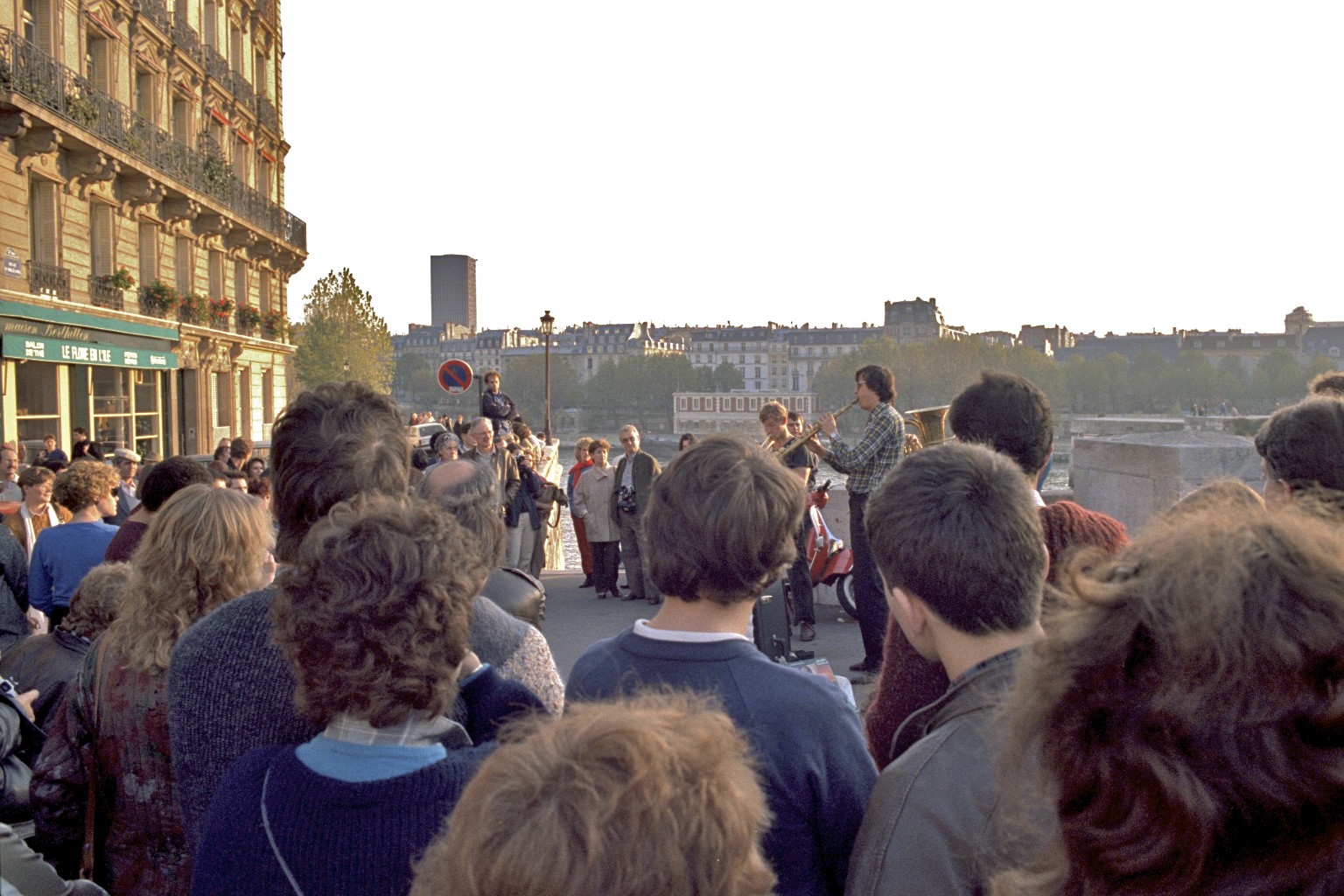
A music happening on Île de Saint-Louis

Originally aristocrats and judges lived here but now there are many well-off artists and retired politicians. The widow of president Pompidou lived here. Emblems in memory of famous inhabitants of former centuries are on many house fronts.

Next steps

360.000 í vasann

Punktar

Útborguð lágmarkslaun eftir skatta ættu að vera 360.000 krónur hér á landi. En eru langt innan við 200.000 krónur. Það stafar af, að rjómanum af þjóðartekjum er stungið undan. Hverfur í skapandi bókhaldi kvótagreifa og í kennitöluflakki. Dúkkar sumpart upp á Tortola. Siðblindur stórþjófar reka samfélagið. Meðsekir svindlinu eru kjósendur, sem færðu okkur pólitíkusana. Svo og stéttarfélögin, sem sitja með athafnaskáldum í spilavíti og grýta lífeyri okkar í allar áttir. Væri hér ekki spilling, mundu 360.000 krónur útborgaðar vera gerlegt lágmark. Þriðjungur af þessu færi í húsnæði, þriðjungur í mat og þriðjungur í annað.

Minni notkun frétta

Punktar

Fréttir eru eina efnið, sem ég fylgist með í útvarpi og sjónvarpi. Ekkert annað höfðar til mín, hvorki þættir né bíómyndir. Attenborough er sjaldséður og ekki sjást Brunetti eða Montalbano, ítölsku löggurnar mínar. Nú er helzt í fréttum, að áhorf á fréttir í sjónvarpi minnkaði hjá ríkinu niður í sama og á Stöð 2. Ég er ekki þáttur í þessari minnkun. Hlusta á fréttir í útvarpi í hádegi og finnst þær harla góðar. Horfi á fréttir í sjónvarpi að kvöldi af vana og finnst þær veigalitlar. En tölurnar segja sitt. Efnið, sem er forsenda almannaútvarps; fréttir, veður og opinberar tilkynningar, höfðar ekki lengur til þorra fólks.

C. Quais – Tour Saint-Jacques

Borgarrölt, París (English)
Tour St. Jacques, Paris

Tour Saint Jacques,

Quais

Most of the great cities in the world do not succeed in making their rivers a central part of city life. Vienna hides the Donau somewhere in the suburbs and so does Berlin with the Spree. The banks of the Thames in London, Tevere in Rome and Arno in Florence are not rendez-vous points for people.

Paris, on the other hand, succeeds in making the banks of the Seine an integral part of city life where people go for a walk, relax in cafés and pursue cultural attractions. Powerful trees give a welcome shade on sunny days and mellow the surroundings. The boxes of antique books appeal to people. Restaurants and cafés jostle for space on the mainland quais.

We can start our circular walk on the river banks at any point. This walk starts at the Pont Neuf metro station at the bridge of the same name. We take in the voluminous Conciergerie and Palais de Justice on the other side of the river. We visited those buildings in our 1st walk. But it is from here that the palace towers look their best. We soon arrive at Place du Châtelet.

Tour Saint-Jacques

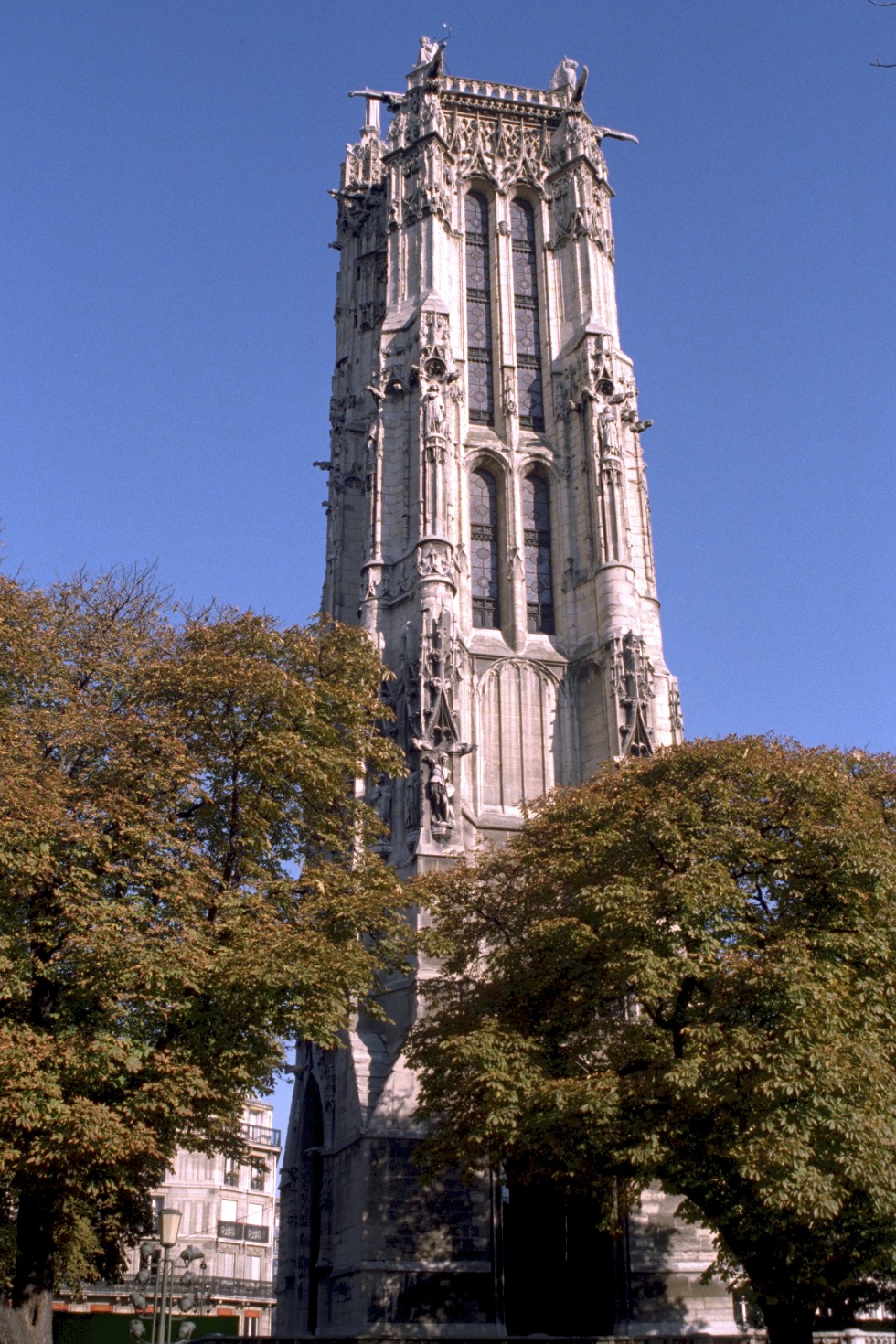
We see to our left the imposing tower of Saint-Jacques from 1523, the only remains of a late Gothic 16th C. church, which was destroyed in the aftermath of the Revolution. A statue of Blaise Pascal is in front of the tower.

Well known theatres are on both sides of the square.

Next steps

2. Montmartre – Place du Tertre

Borgarrölt

Place du Tertre

Place du Tertre & Sacre-Coeur, Paris

Place du Tertre & Sacre-Coeur

Just in front of Saint-Pierre is the Place du Tertre.

A lively place where scores of painters are working and selling, and hundreds of tourists are lingering in pavement cafés.

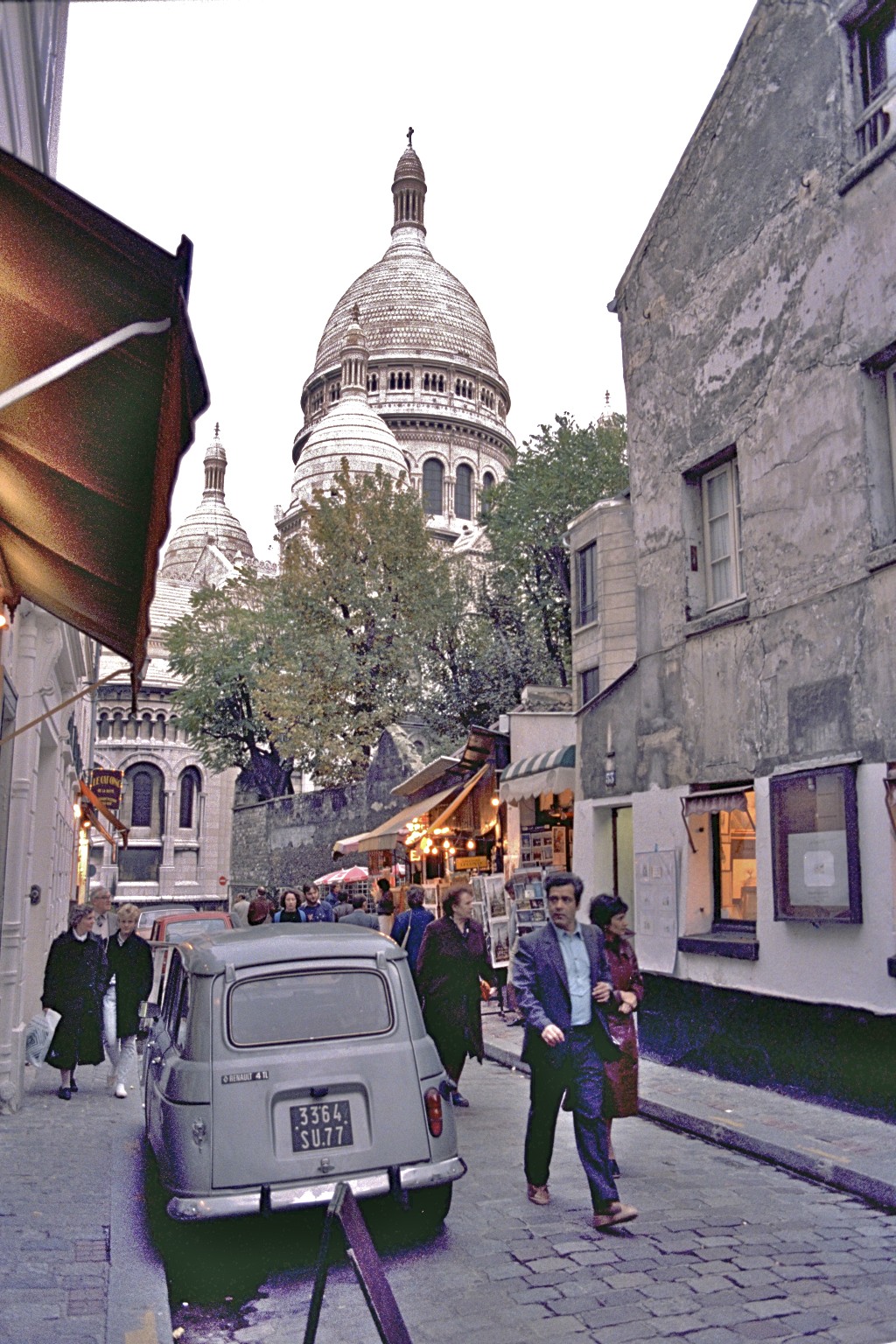
Some narrow and village-like streets are near the square. Along Rue de Saules there is a short distance to the only vineyard in Paris and an historical joint, Lapin Agile. This is in fact a 400 years old village, gradually surrounded by Paris. Cars are of little use on the Butte and pedestrians are kings.

A good walk down from Montmartre is from the southern end of Rue de Saules to the metro station at Place des Abesses. The entrance there is in the Art Noveau style of the first years of the 20th C.

Now we take a trip to Versailles.

Next steps

7. Universités – Saint-Séverin

Borgarrölt
Saint-Séverin, Paris

Saint-Séverin

Saint-Julien-le-Pauvre

We turn right into Boulevard Saint-Germain, go past some good restaurants, suitable for lunch, including Dodin-Bouffant at Place Maubert, where we turn right on Rue Maitre Albert to the river bank and turn left. Immediately we leave the bank by Rue des Grands Degrés and continue along Rue de la Bücherie to Square Réne-Viviane and see Saint-Julien-le-Pauvre behind the garden.

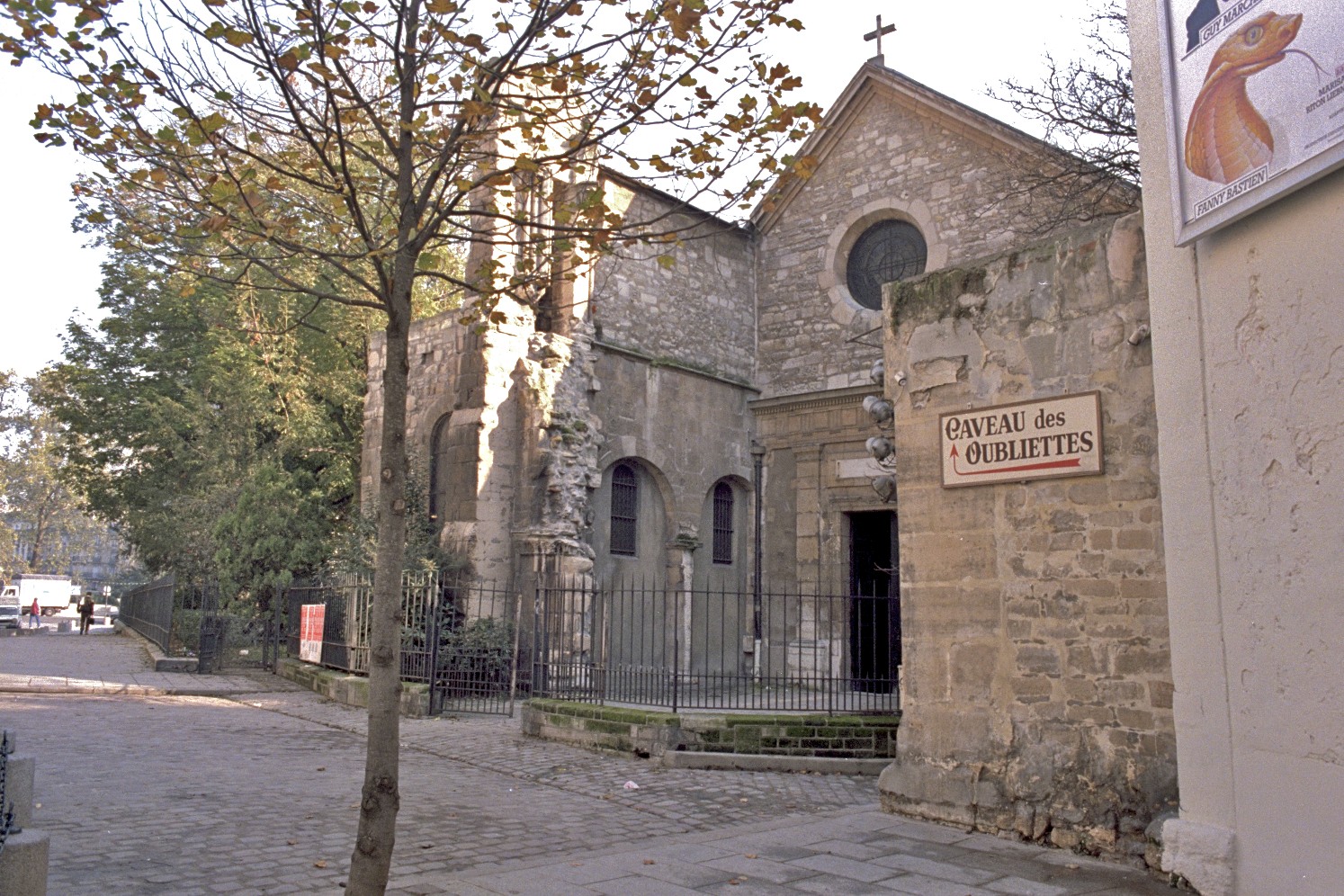
The oldest unspoiled church in Paris, built 1170-1220 in Early Gothic, with no transepts. Unfortunately it has been converted into a Greek-Orthodox church, making it impossible for laymen to the fairest part, the chancel.

Saint-Séverin

Behind Saint-Julien we see another church, Saint-Séverin.

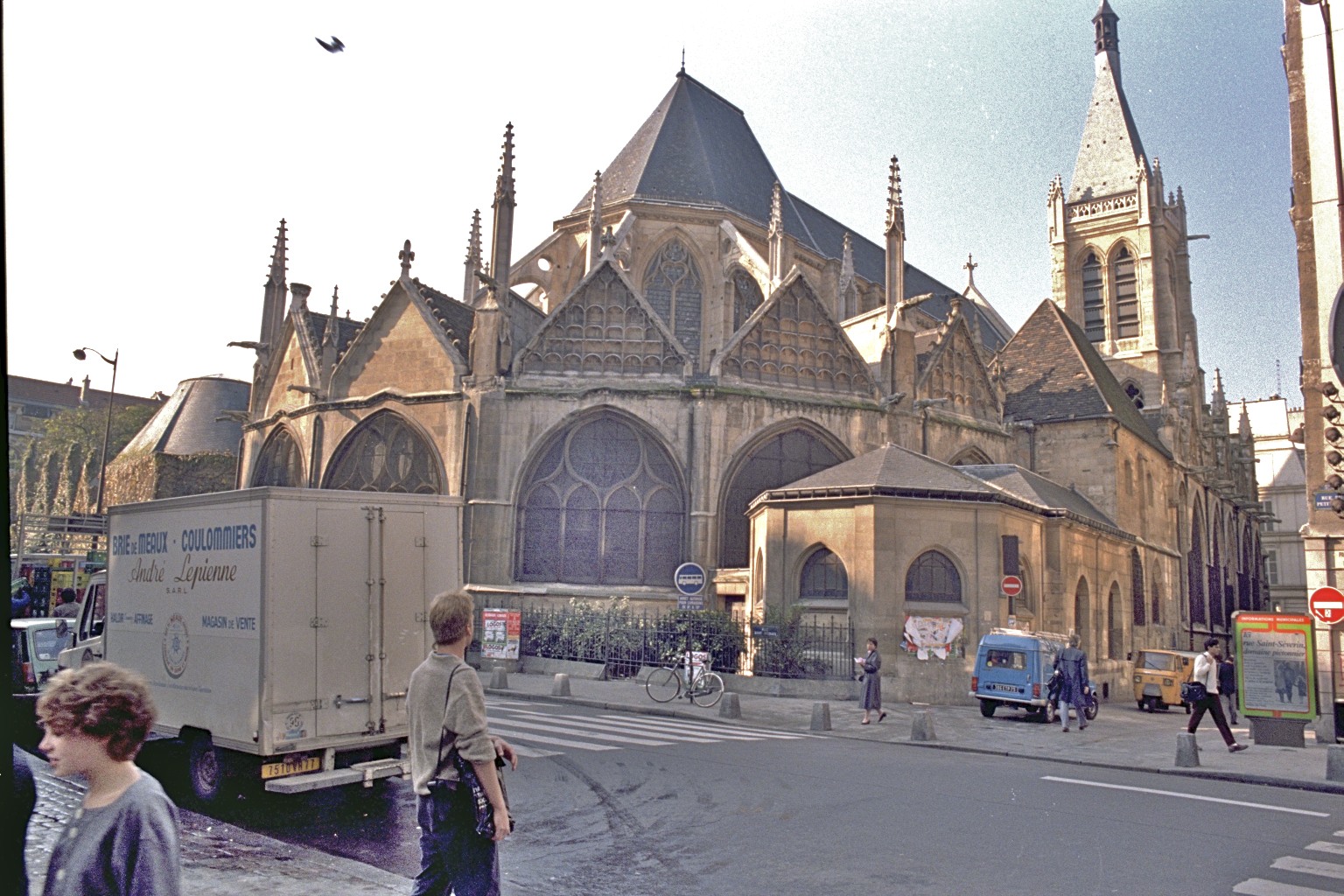
One of the most beautiful examples of Late Flamboyant Gothic in Paris. The building was started in the first half of the 13th C. and not finished until 1530. The church is peculiar in being short and wide. It has two ambulatories instead of the usual one. Therefore, its interior is like a forest of columns.
Caveau des Oubliettes, bar, Paris

Saint-Julien-le-Pauvre

Outside the church there is a garden with shady trees and arcades, a good resting place before the final spurt of this walk.

Rue de la Huchette

From the back of Saint-Séverin we walk north along Rue Saint-Jacques and then turn left into Rue de la Huchette.

A lively pedestrian street, filling up with Greek and Middle-Eastern eateries. Some narrow streets lead off the street. These are the ancient alleys of the oldest part of the Left bank.

We finally end this walk at the other side of Rue de la Huchette where it meets Place Saint-Michel, the entrance to the Left bank. Many pavement cafés are there to invigorate the limbs.

Next steps

6. Universités – Saint-Michel

Borgarrölt
Place St. Michel, Paris 2

Place Saint Michel

Saint-Michel

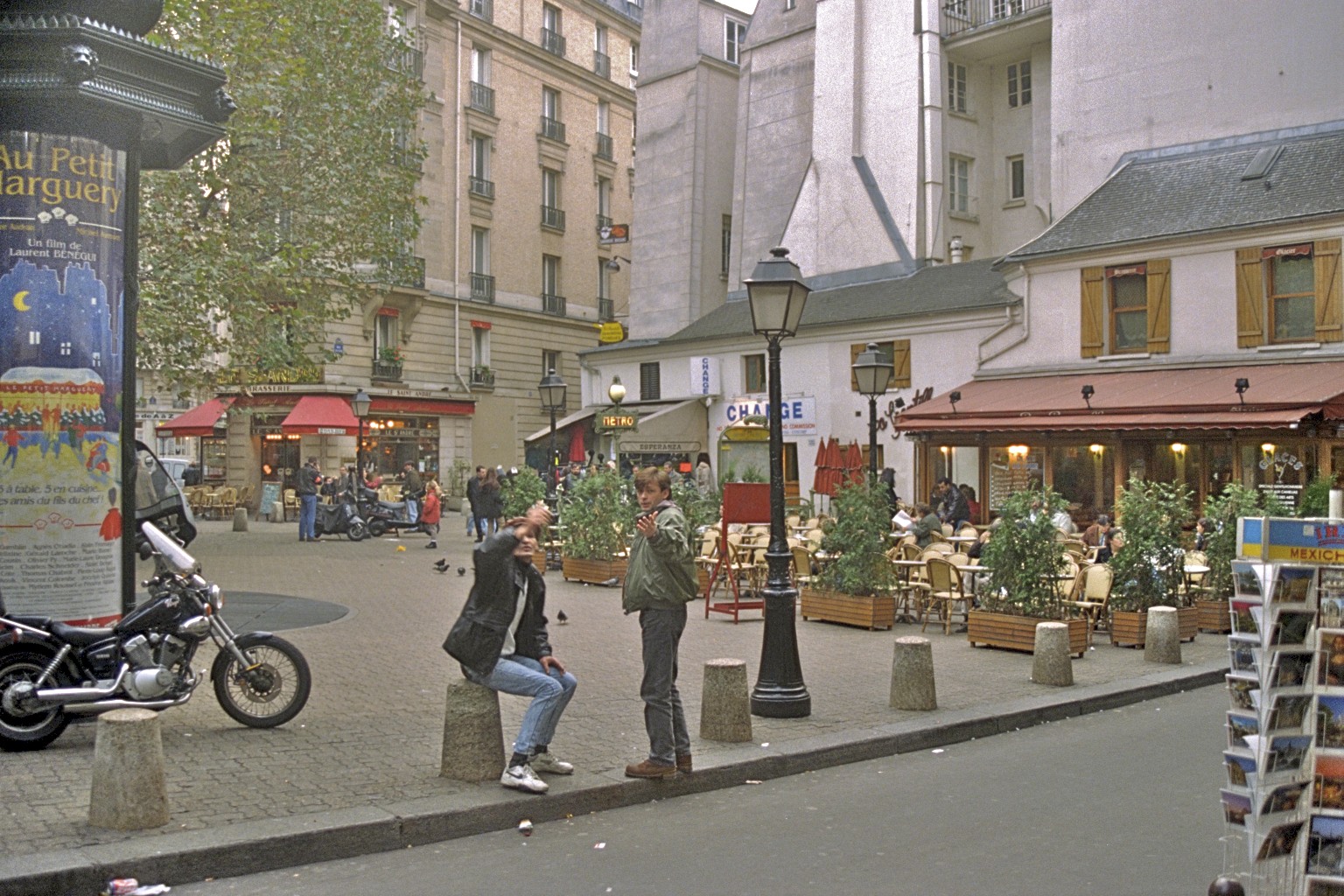
From the museum we take Rue Sommerard to the right to Boulevard Saint-Michael to the corner of Boulevard Saint-Germain.

The main crossroads of Left bank traffic. These two boulevards, Saint-Michel and Saint-Germain, are the main arteries of automotive and pedestrian traffic in this part of Paris. Most important or interesting things on the Left bank happen near these two streets. Both are lined with pavement cafés where students and travellers are lingering.

Saint-Michel, for a long time characterized by literary cafés, was the venue of student demonstrations against the Nazis in 1944 and against the government in 1968. Now it is characterized by cafés and restaurants and book stores. The alleys behind are full of nightclubs, avant-garde theatres, ethnic shops and specialized boutiques.

Next steps

5. Universités – Thermes de Cluny

Borgarrölt

Roman baths, Cluny, Paris

Thermes de Cluny

We continue on Rue de la Sorbonne straight to Musée de Cluny.

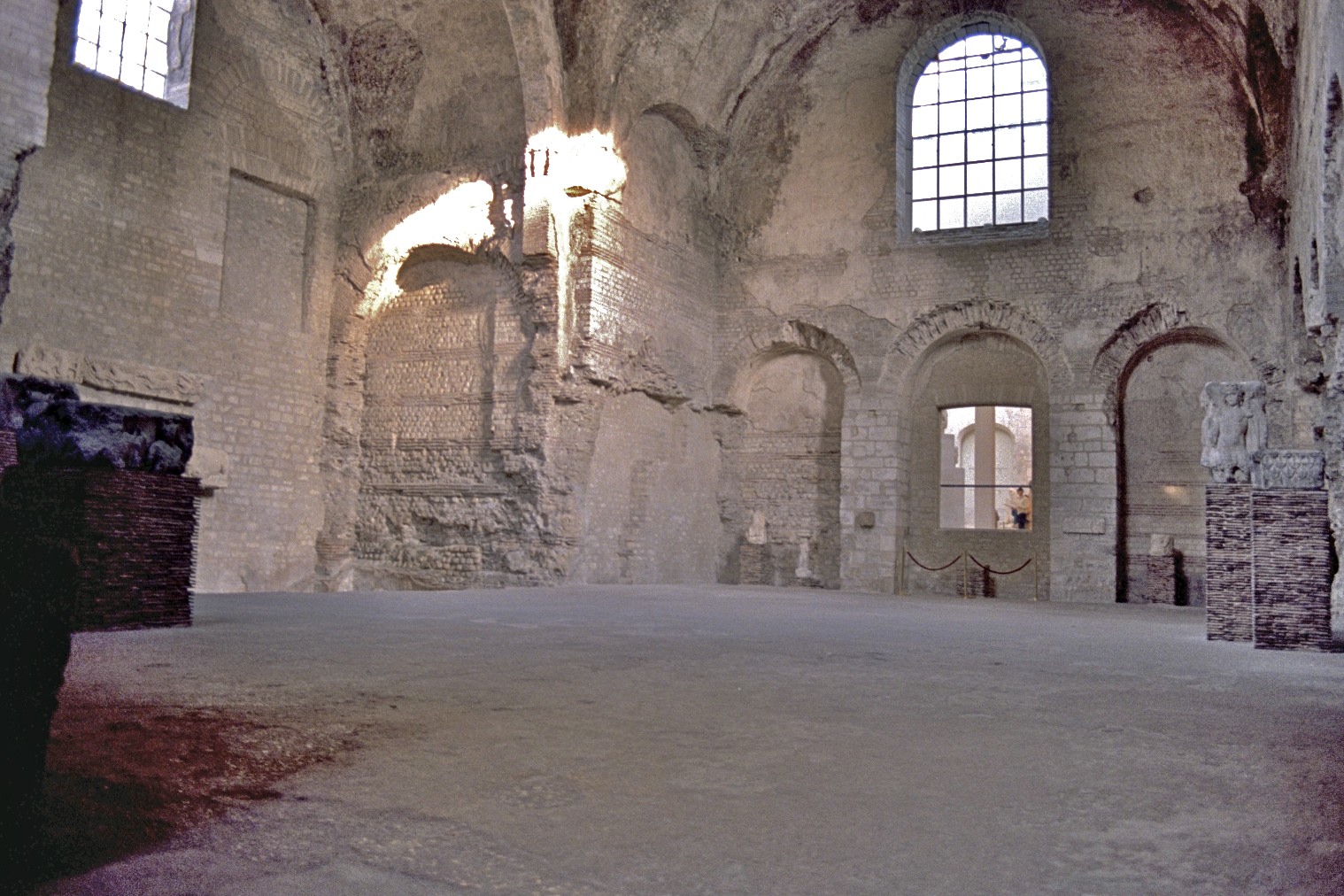
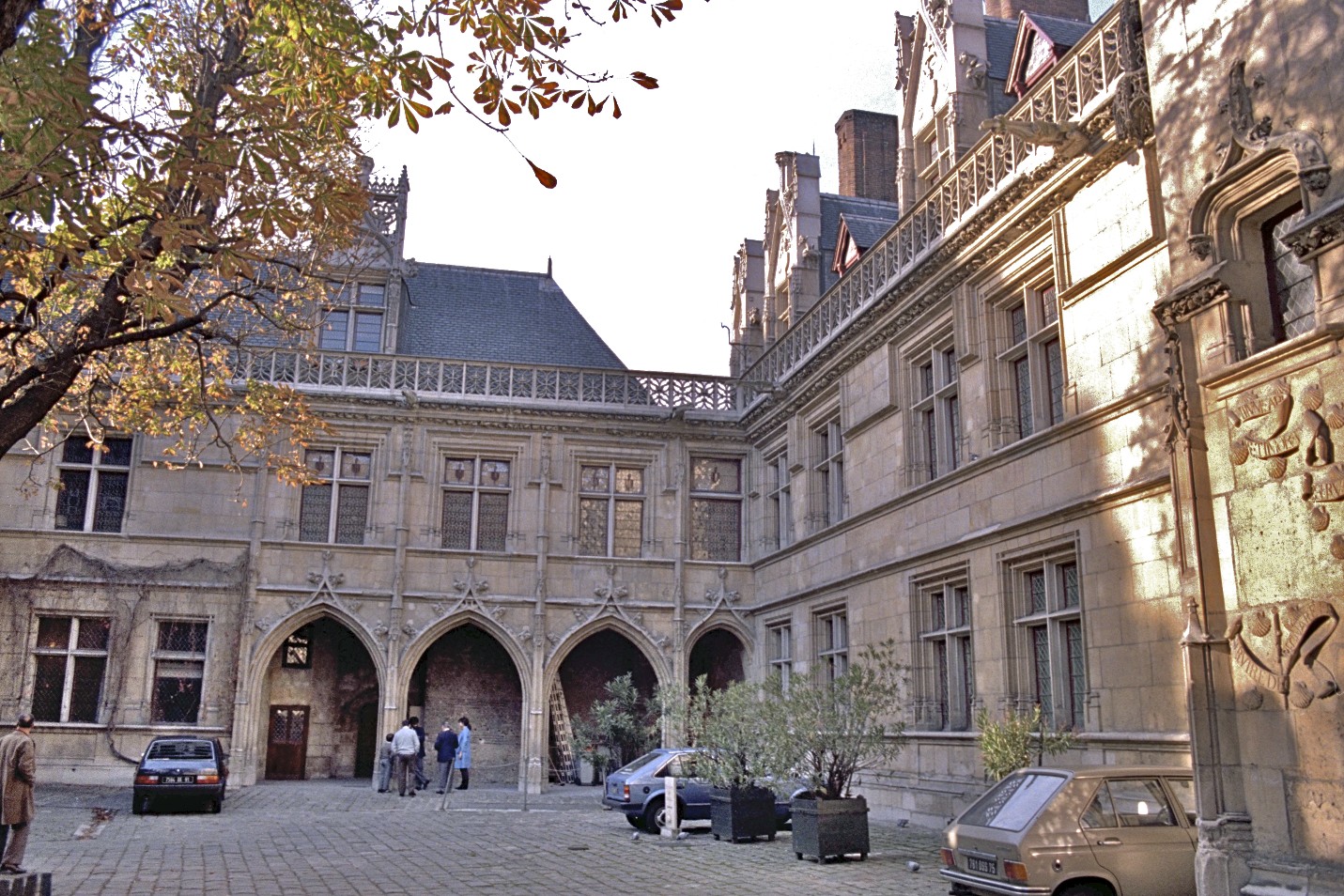
This is a very special place as we have here in one location the remains of Roman baths and one of the oldest mansions in Paris, Hôtel Cluny.

The remains of the Roman baths are considered to be about one third of the original structure from the beginning of the 3rd C. Best preserved is the cold bath, frigidarium, an open hall, 21 meters to 11 meters and with a height of 14,5 meters. The hot bath, caldarium, and the tepid bath, tepidarium, have for the most part been destroyed.

Hotel Cluny, Paris

Hotel Cluny

This and the Arènes de Lutèce, mentioned earlier on this walk, are the only remains from Roman times in Paris. In addition, Paris has the Roman fame of being the place where the garrison proclaimed Julianus Apostata as Roman emperor in 360.

Hôtel Cluny

We enter the museum in Hôtel de Cluny.

The abbey, partly built upon the ruins of the baths, is well known in the history of architecture. There are only two Gothic mansions left in Paris. One is Hôtel de Sens and this is the other. The Gothic style is evident in the exterior decoration of the abbey.

The abbey is now an art museum concentrating on antique tapestries.

Next steps